


Views: 0 Author: Site Editor Publish Time: 2026-08-28 Origin: Site


Jewelry buyers frequently face a common shopping dilemma. You desire the luxurious glow of gold. However, you prefer to avoid the premium solid-gold price tag. Naturally, you might fear rapid discoloration after just a few wears. Pure gold famously resists oxidation and maintains its shine forever. Plated pieces, on the other hand, introduce base metals into the mix. Wear-and-tear variables complicate the picture significantly. They eventually lead to noticeable fading and frustrating oxidation. This creates confusion for buyers looking for affordable elegance.
Understanding the science behind the metals easily resolves this problem. Our guide gives a highly realistic assessment of expected lifespan. We explain exactly why gold-plated sterling silver tarnish happens over time. You will discover the precise mechanics of material degradation. We also offer a highly transparent decision framework. You will know exactly if this jewelry type fits your lifestyle. Read on to master everyday maintenance and protect your collection.
The baseline reality: Gold-plated sterling silver will eventually show signs of wear and tarnish, but the timeline depends heavily on plating thickness and user care.
Tarnish vs. Fading: Tarnish is the oxidation of the underlying 925 silver; fading is the physical wearing away of the gold layer.
High-friction vulnerability: Rings and bracelets wear significantly faster than earrings or necklaces.
Maintenance mandate: Proactive, non-abrasive care extends the jewelry's life from mere months to several years.
You might wonder how a brilliant gold exterior turns dark. The answer lies directly within the core materials. We must look at the base structure first. A reputable jeweler uses 925 silver jewelry for the foundation. This specific alloy contains 92.5 percent pure silver. Copper makes up the remaining 7.5 percent. Pure silver feels too soft for daily use. Copper provides necessary structural strength for intricate designs. Unfortunately, copper reacts strongly to environmental sulfur and ambient moisture. The outer layer features genuine gold. Gold inherently resists oxidation completely.
Fading represents the very first phase of degradation. Daily friction rubs repeatedly against the piece. Harsh chemical exposure accelerates this physical loss. The gold layer slowly thins out over time. You lose microscopic layers during normal activities. Next comes the dreaded tarnishing phase. Microscopic breaches eventually form in the thinned plating. Oxygen reaches the vulnerable sterling silver base below. Environmental sulfur mixes into these tiny surface breaches. This chemical reaction creates a dark, dull appearance. We call this resulting film tarnish.
Reputable jewelers practice full industry transparency regarding this process. They acknowledge structural inevitability upfront. Plated items simply cannot last forever. The chemical breakdown represents natural wear. It does not indicate a manufacturing defect. High-quality craftsmanship only delays the onset of fading. It cannot rewrite the fundamental laws of chemistry.
How long will your gorgeous finish actually survive? You need accurate benchmark expectations before buying. Everyday wear yields about six months to two years. Occasional wear extends this timeline significantly. Some carefully stored pieces last five years or more. Several crucial variables heavily impact overall longevity.
First, consider the actual plating thickness. Jewelers measure this critical detail in microns. Standard plating measures between 0.5 and 1.0 microns. Vermeil requires a legally regulated minimum of 2.5 microns. Thicker plating significantly delays base-metal tarnish. It provides a much deeper buffer against daily abrasion.
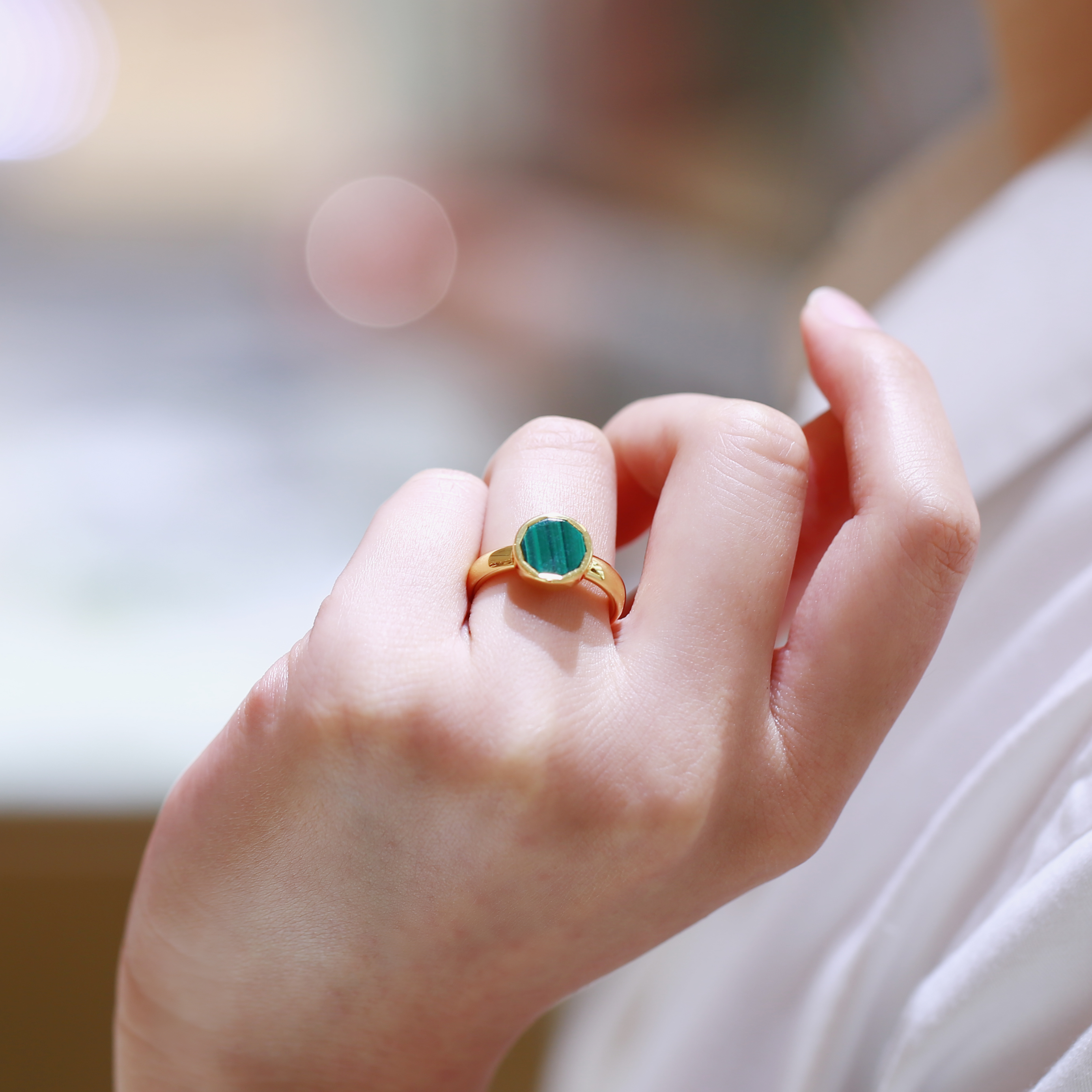
Next, examine the specific item category. Friction levels vary wildly by bodily placement. A silver gold-plated ring degrades quite quickly. Constant hand-washing strips the delicate finish away. Typing and surface contact add severe physical friction. Similarly, a heavy gold-plated jade ring sustains heavy daily abuse. Pendants mostly avoid this constant abrasion. Necklaces rest gently against the chest or clothing. They easily outlast rings and bracelets by years.
Finally, personal body chemistry plays a massive role. Everyone secretes a unique sweat acidity. Individual pH levels inherently affect metal breakdown. Highly acidic sweat strips the gold layer much faster. You cannot change your basic biology. You can only adjust your ongoing maintenance habits.
Plating Thickness vs. Expected Lifespan
Plating Type | Micron Range | Expected Daily Wear Lifespan | Best Use Case |
|---|---|---|---|
Flash Plating | Under 0.175 microns | 1 - 3 months | Costume jewelry, one-time events |
Standard Plating | 0.5 - 1.0 microns | 6 - 12 months | Fashion pieces, seasonal trends |
Heavy Plating | 1.0 - 2.0 microns | 1 - 2 years | Regular wear, quality gifting |
Gold Vermeil | 2.5+ microns | 2 - 3+ years | Frequent wear, premium collections |
You must identify daily hazards immediately. Four main culprits silently destroy delicate plating. They accelerate physical wear and trigger chemical oxidation.
First, beware of hidden chemical abrasives. Cosmetics silently strip gold away every morning. Perfumes contain highly concentrated alcohols. Lotions trap harmful chemical compounds against the skin. Hairsprays and sunscreens create abrasive chemical films. These common products dissolve the thin gold layer rapidly. They compromise the protective barrier.
Second, avoid submersion and moisture at all costs. Chlorine acts as a powerfully corrosive agent. Swimming pools destroy plating almost instantly upon contact. Salt water causes severe micro-abrasions along the surface. Even extended exposure to hard tap water poses risks. Heavy minerals degrade the shiny finish. They invite rapid base-metal oxidation underneath.
Third, friction and stacking cause immense physical damage. Many people love stacking multiple rings together. Wearing plated pieces adjacent to harder metals causes problems. Stainless steel and solid gold scratch the delicate plating. This popular practice removes the gold surface prematurely. It exposes the vulnerable silver core below.
Fourth, improper storage environments ruin beautiful jewelry. Many buyers casually leave items in the bathroom. Humid environments drastically accelerate sulfidation. Open-air trays expose pieces to ambient sulfur constantly. The 925 silver base oxidizes rapidly in these specific conditions. Proper storage remains absolutely essential for preservation.
Proactive habits extend product life significantly. You must implement a strong, consistent routine. Daily maintenance makes all the difference.
Implement an immediate post-wear routine. Take the jewelry off every single night. Gently wipe the items down. Use a soft, lint-free microfiber cloth. Avoid rough paper towels entirely. This simple step removes body oils and acidic sweat. Do this after every single use.
Follow safe cleaning protocols. Use only lukewarm water. Add one drop of mild, fragrance-free soap. Swirl the item very gently. Rinse it thoroughly under clean water. Pat it completely dry.
Heed a crucial chemical warning. Never use traditional sterling silver care liquids. Polishing cloths often contain built-in abrasive compounds. Baking soda acts exactly like sandpaper. These harsh methods will strip the gold instantly. They ruin the piece forever.
Adopt strategic storage solutions. Store items individually. Do not toss them into a crowded box. Use airtight ziplock bags. Anti-tarnish pouches work beautifully for long-term protection. Include small silica gel packets inside the bag. They absorb ambient moisture effectively.
Memorize the "Last On, First Off" rule. Apply all your cosmetics first. Spray your perfumes. Wait ten full minutes. Let the chemicals dry completely. Put the jewelry on last. Remove it immediately upon returning home. This minimizes hazardous chemical exposure.
Is this material truly right for you? Conduct a quick cost-to-value assessment first. Cheap brass alternatives often turn your skin green. Solid 14k gold carries a very high entry cost. Plated silver sits perfectly in the middle. It offers excellent hypoallergenic safety at a highly accessible price.
You should know exactly when to buy plated items. They suit trend-driven pieces beautifully. Statement earrings look stunning in this affordable material. Occasional-wear necklaces offer fantastic overall value. They make excellent budget-conscious gifts for friends. You get the premium look without the financial stress.
You should also know when to upgrade. Some specific pieces require solid gold or gold-filled materials. Everyday wedding bands take massive daily abuse. Daily-wear rings need true structural permanence. Generational heirlooms must withstand decades of continuous wear. Upgrade these specific high-use items immediately.
Follow some actionable buyer advice moving forward. Always check the jeweler's detailed specifications. Verify the underlying base metal. Ensure they use genuine 925 silver. This avoids nasty skin allergies completely. Look specifically for the word "vermeil" during checkout. Vermeil guarantees strict thickness standards legally. It ensures longevity remains a primary success criterion.
Natural wear remains a highly manageable process. Fading stands as a strict scientific reality. Tarnish happens eventually, but you largely control the timeline. Excellent care habits extend lifespan dramatically.
Managing expectations matters most during shopping. Match the right material directly to your wear frequency. Do not buy a plated piece for a wedding band. Buy it for fashion and seasonal joy. This strategy ensures a deeply satisfying purchase.
Audit your current care routine today. Review product specifications carefully before buying. Make highly informed decisions before your next checkout. Treat your beautiful pieces well. They will reward you with brilliant, lasting shine.
A: Yes, you can restore it by taking it to a professional jeweler for replating. They will strip the old finish and apply a fresh gold layer. Polishing it vigorously at home will only remove more of the remaining gold, making the tarnish look much worse.
A: Rarely. Green skin is usually caused by cheap brass or copper base metals reacting to your sweat. Authentic 925 silver typically leaves a dark or black mark only if it becomes heavily oxidized over time.
A: Emphatically no. Hot water, steam, and everyday body washes will drastically reduce the lifespan of the delicate plating. Constant moisture accelerates the oxidation of the underlying silver base.
A: Vermeil specifically requires a solid sterling silver base and a legally regulated, much thicker layer of gold plating. Vermeil typically demands a minimum thickness of 2.5 microns, making it far more durable than standard flash plating.


