


Views: 0 Author: Site Editor Publish Time: 2025-12-20 Origin: Site


Wearing a jade bracelet is far more than a simple fashion choice. In traditional Eastern culture—particularly in China—a jade bracelet represents moral cultivation, personal protection, emotional balance, and continuity between the physical and spiritual worlds. Among all jade materials, Hetian jade occupies a uniquely authoritative position due to its long history, cultural depth, and material characteristics.
This article explores what it truly means to wear a jade bracelet, with a professional focus on Hetian jade, clarifying common misconceptions in the jewelry market and providing culturally accurate interpretations rooted in industry knowledge rather than commercial exaggeration.
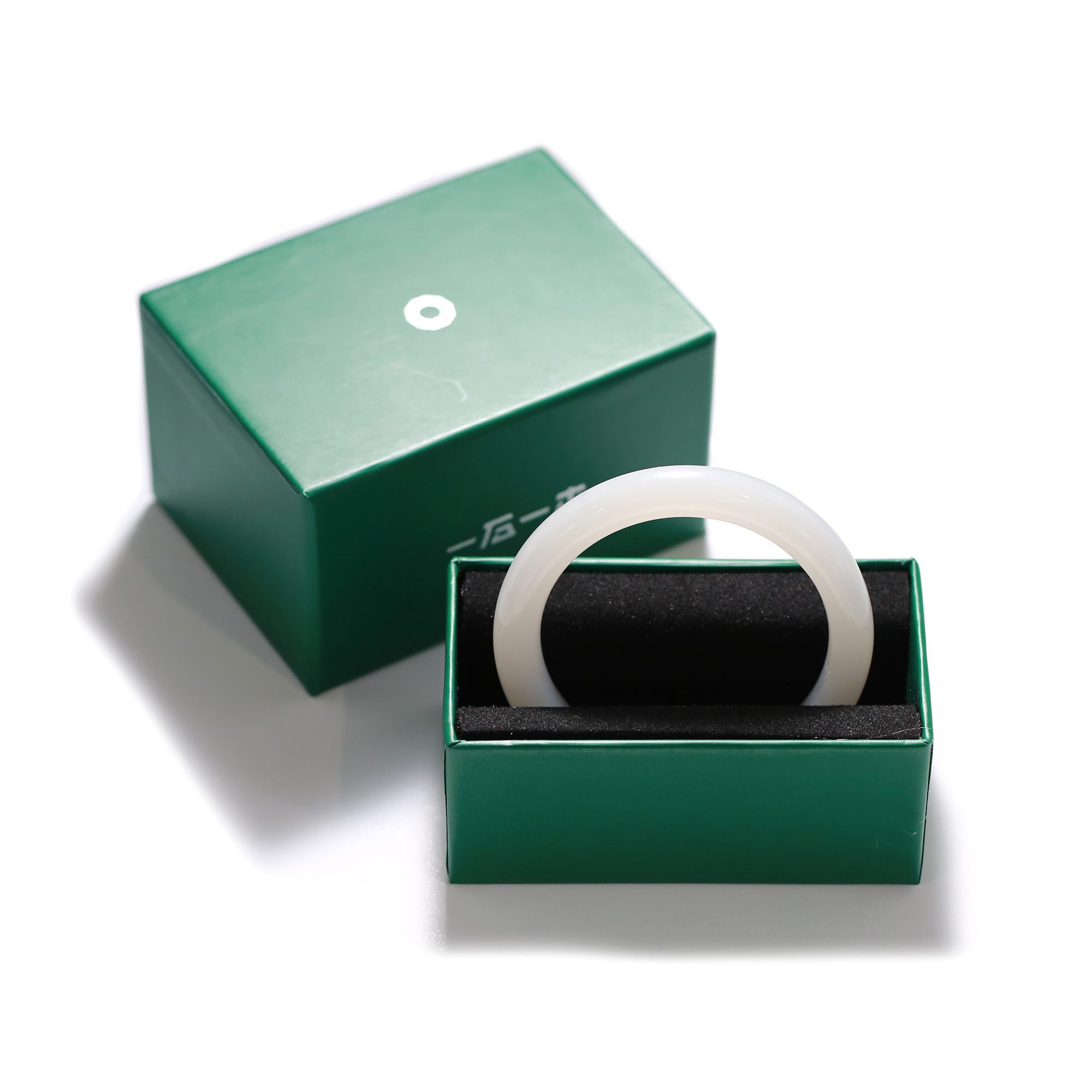
In Chinese civilization, jade is not merely a gemstone—it is a moral symbol. As early as the Neolithic period, jade objects were used in rituals, governance, and social hierarchy. Confucius famously compared jade’s qualities to the virtues of a noble person, emphasizing benevolence, righteousness, wisdom, integrity, and humility.
A jade bracelet, worn close to the body, traditionally serves as a constant reminder of self-discipline and inner refinement. Unlike ornamental jewelry designed to attract attention, jade jewelry—especially Hetian jade—is valued for its restraint and subtlety.
Historically, when classical texts, imperial records, or philosophical writings refer to “jade,” they are overwhelmingly referring to Hetian nephrite, sourced from today’s Xinjiang region. For centuries, it was the exclusive material used by emperors, scholars, and aristocrats.
Wearing a Hetian jade bracelet therefore signifies:
Respect for tradition and cultural continuity
A pursuit of moral balance rather than external display
A preference for substance and character over superficial brilliance
This cultural foundation is critical when interpreting the meaning of wearing jade correctly.
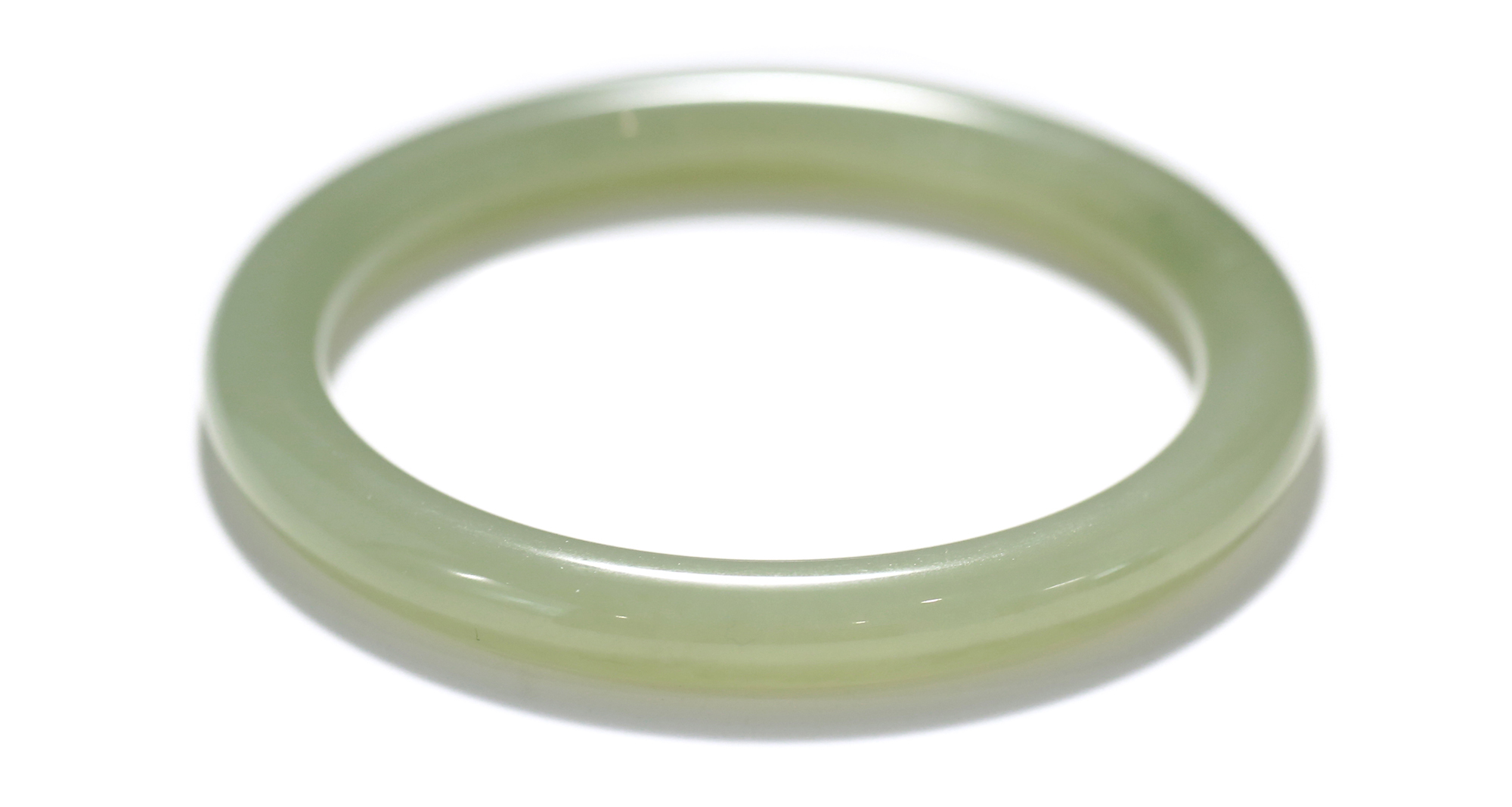
In traditional belief systems, jade is considered a protective material. Rather than “absorbing negative energy” in a modern metaphysical sense, jade was believed to:
Stabilize emotions
Promote calm decision-making
Act as a symbolic shield against misfortune
This belief is why jade bracelets are often given to:
Children, for safety and well-being
Elders, for longevity and peace
Loved ones, as a sign of care and protection
A jade bracelet is also a deeply introspective object. Its smooth surface and quiet presence encourage mindfulness. In classical culture, jade was not meant to dominate appearance but to accompany personal growth.
Wearing jade daily was traditionally understood as:
A reminder to act with restraint and integrity
A symbol of emotional steadiness
A reflection of one’s internal state
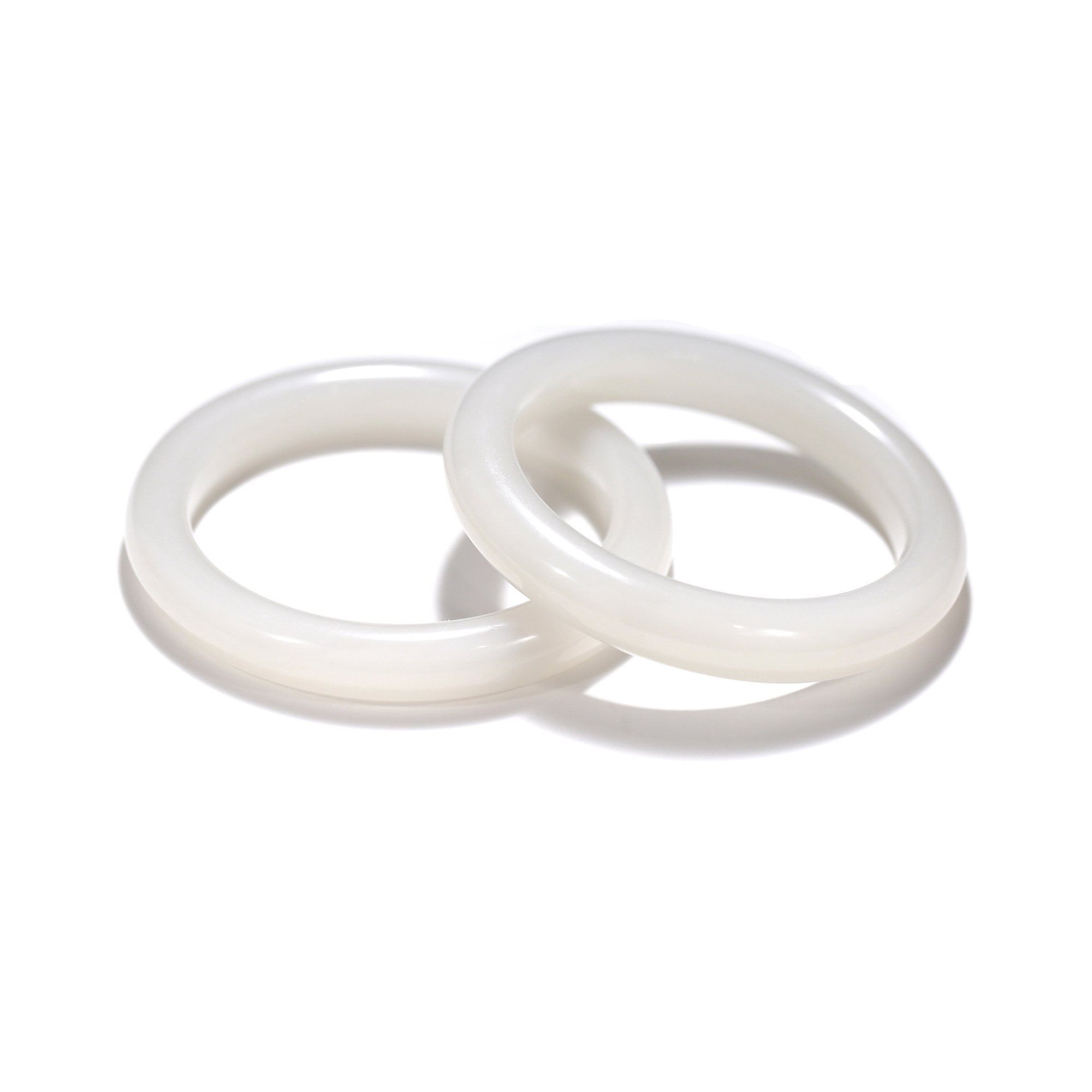
Unlike commercial jewelry narratives that prioritize vivid color intensity, the meaning of Hetian jade colors is rooted in natural formation and cultural symbolism, not rarity comparisons.
White Hetian jade is associated with:
Purity and clarity
Calmness and moral discipline
Inner peace rather than external success
A white jade bracelet is traditionally worn by scholars and individuals seeking composure, focus, and ethical consistency.
Green and qing-toned Hetian jade symbolizes:
Balance between strength and gentleness
Harmony with nature
Emotional stability and resilience
These colors are understated rather than vibrant, aligning with traditional aesthetics that value moderation.
Naturally oxidized yellow Hetian jade is associated with:
Earthy stability
Maturity and accumulated wisdom
Historical continuity
Its meaning comes from natural aging rather than artificial enhancement.
Many SEO articles contain inaccuracies that can mislead buyers. From an industry standpoint, the following clarifications are essential:
Brightness and translucency are not primary indicators of value for Hetian jade
Natural inclusions and “cotton texture” are normal and acceptable
A waxy, oily luster is preferred over glassy shine
Wearing a real Hetian jade bracelet is meaningful precisely because of its natural restraint, not visual exaggeration.
In modern gemology, jade is broadly classified into nephrite and jadeite. However, from a cultural and historical standpoint:
Hetian jade (nephrite) is the cultural benchmark for jade in China
It is valued for toughness, texture, and spiritual symbolism
Its significance is derived from history and use, not market-driven rarity narratives
When discussing the meaning of wearing a jade bracelet in a traditional or cultural sense, Hetian jade is the most accurate reference point.
Today, wearing a Hetian jade bracelet often reflects:
An appreciation for cultural heritage
A preference for timeless materials
A lifestyle aligned with calmness and balance
It is worn not to impress, but to accompany—quietly present in daily life.
To wear a jade bracelet—especially one made of authentic Hetian jade—is to participate in a tradition that spans millennia. It represents moral cultivation, emotional balance, and respect for cultural values that transcend trends and markets.
Rather than being a decorative accessory alone, a Hetian jade bracelet is a personal symbol, reflecting how the wearer chooses to live, think, and interact with the world.
For those seeking jade jewelry with genuine cultural meaning, craftsmanship, and material integrity, focusing on authentic Hetian jade is not only a preference—it is a continuation of tradition.


